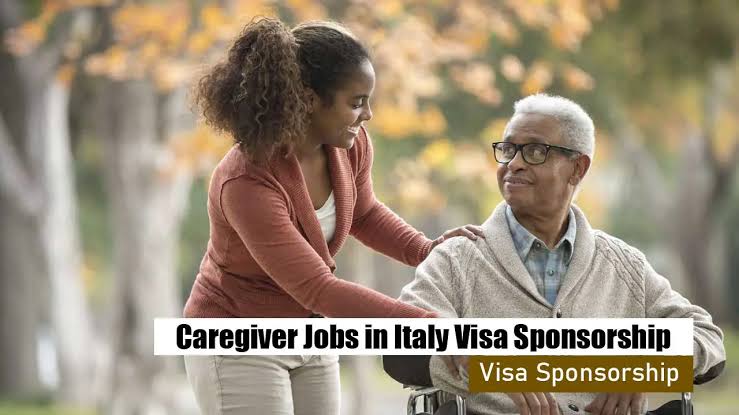
Caregiver Jobs in Italy for Foreign Workers: A Comprehensive Guide
Caregiver Jobs in Italy for Foreign Workers: A Comprehensive Guide
Italy, with its rich cultural heritage, stunning landscapes, and warm Mediterranean charm, is not only a dream destination for tourists but also a land of opportunity for foreign workers seeking meaningful careers. Among the most in-demand roles are caregiver jobs, driven by Italy’s aging population and growing need for compassionate, skilled professionals to support the elderly and disabled.
For foreign workers, securing a caregiver job in Italy offers financial rewards, cultural immersion, and the chance to make a lasting impact. This comprehensive guide explores the opportunities, requirements, and practical steps for foreign workers to land caregiver jobs in Italy, whether you’re from the EU or beyond.
Why Caregiver Jobs in Italy Are in Demand
Italy faces a demographic crisis that has created a surge in demand for caregivers. With one of the oldest populations in Europe and a low birth rate, the country relies heavily on caregivers to support its elderly citizens. According to recent estimates, Italy needs approximately 280,000 new foreign workers annually to fill labor shortages, particularly in personal services like caregiving. Foreign workers already make up over 10% of Italy’s workforce, with many employed in home care and healthcare roles.
Caregiving in Italy is deeply valued, reflecting the country’s family-oriented culture where caring for loved ones is a priority. For foreign workers, this presents a unique opportunity to contribute to society while building a stable career. Beyond the emotional rewards of helping others, caregivers in Italy often enjoy competitive salaries, potential accommodation benefits, and the chance to immerse themselves in Italian culture.
Types of Caregiver Jobs Available in Italy
Caregiver roles in Italy vary depending on the level of care required and the qualifications of the worker. Here’s a breakdown of the main types:
- Home Caregiver: These professionals assist clients with daily living activities (ADLs) such as bathing, dressing, meal preparation, and light housekeeping. This role is ideal for those with caregiving experience but no formal medical training.
- Live-in Caregiver: Live-in caregivers provide round-the-clock support, often living with the client to offer continuous care. This role suits compassionate individuals comfortable with long hours and close client relationships.
- Nurse or Certified Nursing Assistant: These positions require formal qualifications, such as a nursing degree or certification, and involve medical tasks like administering medications, monitoring health conditions, and coordinating with healthcare providers.
Language skills are a key consideration. Fluency in Italian is often required, as caregivers must communicate effectively with clients and their families. However, some employers may accept proficiency in English or Spanish, especially in international households or agencies catering to expatriates.
Visa and Work Permit Requirements for Foreign Workers
Navigating Italy’s immigration system is a critical step for foreign workers. The requirements differ based on whether you’re from the EU/EEA or a non-EU country.
Non-EU Workers
Non-EU workers must secure a work visa to work legally as caregivers in Italy. The process typically involves the following steps:
- Secure a Job Offer: An Italian employer must sponsor your visa by applying for a Nulla Osta (work permit) at their local immigration office. This document confirms that no suitable Italian or EU candidate is available for the role.
- Visa Application: Once the Nulla Osta is approved, you’ll submit a visa application to the Italian embassy or consulate in your home country (e.g., New Delhi, Mumbai, or Kolkata for Indian applicants). Required documents include:
- A valid passport.
- Proof of a job offer or employment contract.
- Medical clearance.
- Evidence of financial stability from the employer.
- Visa Duration: Work visas are typically valid for up to two years and can be renewed for up to five years, depending on the employment contract.
In some cases, highly skilled workers may qualify for an EU Blue Card, though this is less common for caregiving roles due to the specific qualifications required.
EU/EEA Workers
EU/EEA citizens enjoy greater flexibility, as they do not need a work visa to work in Italy. However, if you plan to stay longer than 90 days, you must register with the local authorities (e.g., the Anagrafe or registry office) to obtain a residence certificate.
Pathway to Permanent Residency
Non-EU workers who live and work legally in Italy for five years can apply for permanent residency. After ten years of legal residency, they may be eligible to apply for Italian citizenship, subject to additional requirements like language proficiency.
Qualifications and Skills Needed
While formal qualifications are not always mandatory for caregiver roles, certain skills and attributes are essential:
- Core Skills:
- Compassion, patience, and strong interpersonal skills to build trust with clients.
- Ability to assist with ADLs, such as personal hygiene, mobility, and meal preparation.
- Emotional resilience to handle challenging situations, such as caring for clients with chronic illnesses.
- Preferred Qualifications:
- Certifications like Personal Support Worker (PSW) or Certified Nursing Assistant (CNA) can set you apart.
- Prior experience in caregiving, home care, or healthcare settings is highly valued.
- Language Proficiency:
- Fluency in Italian is critical for most roles, as caregivers need to communicate with clients, families, and medical professionals. Basic Italian language courses or certifications (e.g., A2 or B1 level) can boost your employability.
- Some employers may accept English or Spanish speakers, particularly in urban areas or for private clients.
- Cultural Adaptability:
- Understanding Italian family dynamics and cultural norms, such as respect for elders, is essential for building strong client relationships.
READ MORE: Caregiver Jobs in Germany for Foreign Workers: A Complete Guide to Working and Living in Germany
How to Find Caregiver Jobs in Italy
Finding a caregiver job in Italy requires a proactive approach. Here are the best strategies:
- Online Job Platforms:
- Websites like Care.com, ElderCare.com, Indeed, Glassdoor, and GreatAuPair list caregiver jobs in Italy. Set up job alerts to stay updated on new postings.
- Use filters to search for roles that match your skills, experience, and language proficiency.
- Recruitment Agencies:
- Specialized agencies can connect you with employers seeking caregivers. Research agencies carefully to avoid scams, and verify their credentials through reviews or official registries.
- Networking and Local Resources:
- Check local newspapers, community boards, or Italian healthcare organizations for job listings.
- Join expat communities or online forums (e.g., on X or Reddit) to connect with other caregivers and learn about opportunities.
- Direct Applications:
- Contact hospitals, nursing homes, or assisted living facilities directly to inquire about openings. Many employers prefer candidates who show initiative.
Application Process and Tips
Securing a caregiver job in Italy requires a polished application and preparation for the hiring process. Here’s how to stand out:
- Craft a Strong Resume:
- Highlight relevant caregiving experience, certifications, and language skills.
- Use a concise, professional format tailored to Italian employer expectations (e.g., one page, clear headings).
- Write a Compelling Cover Letter:
- Emphasize your passion for caregiving, willingness to adapt to Italian culture, and commitment to client well-being.
- Mention any Italian language skills or cultural knowledge to demonstrate your readiness.
- Prepare for Interviews:
- Be ready to discuss your caregiving experience, how you handle challenging situations, and your ability to integrate into Italian households.
- Practice basic Italian phrases if required, as some employers may test your language skills.
- Avoid Scams:
- Research employers thoroughly and verify job offers through official channels (e.g., the employer’s website or immigration authorities).
- Be cautious of agencies or individuals requesting upfront payments for job placement.
- Visa Application Tips:
- Ensure all documents (job offer, medical clearance, etc.) are complete and accurate to avoid delays.
- Check processing times at your local Italian embassy, as they can vary (e.g., 30–90 days).
Salary and Working Conditions
Caregiver salaries in Italy vary based on experience, location, and the nature of the role:
- Salary Range: Caregivers typically earn €12–€45 per hour. Live-in caregivers may receive lower hourly rates but often get free accommodation and meals.
- Working Hours: Options include full-time, part-time, or live-in roles. Live-in caregivers may work long hours but have flexible schedules.
- Benefits:
- Some employers offer paid training, health insurance, or referral bonuses.
- Live-in roles often include room and board, reducing living expenses.
- Challenges:
- Language barriers can make communication difficult, especially in rural areas.
- Long hours and emotionally demanding work require resilience and self-care.
Living in Italy as a Caregiver
Living in Italy as a caregiver offers a unique blend of professional and cultural experiences. Here’s what to expect:
- Cost of Living:
- Italy’s cost of living varies by region. Cities like Rome and Milan are expensive (e.g., €800–€1,500/month for rent), while smaller towns are more affordable.
- Live-in caregivers often receive accommodation, significantly reducing expenses.
- Cultural Integration:
- Learn basic Italian phrases to navigate daily life and build rapport with clients.
- Embrace Italian traditions, such as family meals or respect for elders, to integrate into communities.
- Tax and Social Security:
- Foreign workers are subject to Italian income taxes (23%–43%) and social security contributions, which provide access to healthcare and pensions.
- Support Systems:
- Join expat groups or caregiver networks for advice and camaraderie.
- Online platforms like X or local community centers can connect you with others in similar roles.
Success Stories: Foreign Caregivers in Italy
To inspire aspiring caregivers, consider the story of Maria, a Filipino caregiver who moved to Italy in 2023. With basic Italian skills and a caregiving certification, Maria secured a live-in role in Florence through Care.com. Despite initial language challenges, she took evening Italian classes and built strong bonds with her client’s family. Today, Maria enjoys a stable income, free accommodation, and a deep appreciation for Italian culture.
Similarly, Anil, a nurse from India, applied for a nursing assistant role in a Rome nursing home. After navigating the visa process with his employer’s support, he now works part-time while pursuing permanent residency. These stories highlight the rewards of perseverance and cultural adaptability.
Conclusion
Caregiver jobs in Italy offer foreign workers a unique opportunity to build a meaningful career while experiencing the beauty of Italian life. With a growing demand for caregivers, a range of job types, and clear pathways for visas and residency, Italy is an accessible destination for compassionate professionals.
Start your journey by exploring job platforms like Care.com or Indeed, preparing a strong application, and brushing up on your Italian. The road may have challenges, but the chance to make a difference in someone’s life—and your own—makes it all worthwhile.
Have you started your caregiver job search in Italy? Share your experiences or questions in the comments below, and let’s build a community of support for aspiring caregivers!
Resources:
- Job Platforms: Care.com, Indeed, GreatAuPair
- Visa Information: Italian Ministry of Foreign Affairs
- Expat Communities: Search for Italy-focused groups on X or Reddit.