Factory Worker Jobs in France for Foreign Workers: A Comprehensive Guide
Factory Worker Jobs in France for Foreign Workers: A Comprehensive Guide
France, with its vibrant economy, rich cultural heritage, and thriving industrial sector, is an attractive destination for foreign workers seeking stable and rewarding employment. Factory worker jobs, in particular, offer accessible opportunities for both skilled and unskilled workers from around the globe.
Whether you’re an EU citizen enjoying freedom of movement or a non-EU worker navigating visa processes, this comprehensive guide will walk you through everything you need to know about securing factory worker jobs in France, from job opportunities and requirements to relocation tips and cultural adaptation. Let’s dive in and explore how you can start your journey as a factory worker in France!
Understanding Factory Worker Jobs in France
Overview of the Manufacturing Sector in France
France’s manufacturing sector is a cornerstone of its economy, contributing significantly to GDP and employment. Key industries include automotive (e.g., Renault, PSA Peugeot Citroën), aerospace (e.g., Airbus), food processing (e.g., Danone, Lactalis), electronics, and pharmaceuticals.
These industries rely heavily on factory workers to maintain production lines, ensure quality, and meet global demand. According to recent data, manufacturing accounts for approximately 10% of France’s GDP, with a consistent need for both skilled and unskilled labor.
The demand for factory workers has grown due to labor shortages in certain sectors, particularly in food processing and automotive manufacturing. Both seasonal and permanent roles are available, making factory work an appealing option for foreign workers seeking short-term or long-term opportunities.
Types of Factory Worker Jobs
Factory worker roles in France vary widely, catering to different skill levels and interests. Common positions include:
- Assembly Line Workers: Assembling components for vehicles, electronics, or consumer goods.
- Machine Operators: Operating and maintaining machinery in production facilities.
- Quality Control Inspectors: Ensuring products meet industry standards.
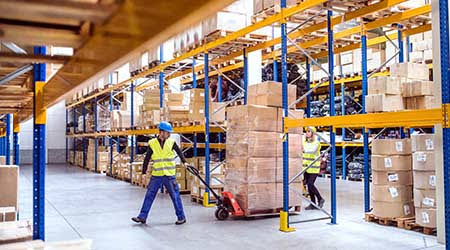
- Warehouse Operatives: Handling inventory, logistics, and distribution.
- Packaging Workers: Preparing goods for shipment in industries like food and beverages.
These roles range from unskilled (requiring minimal experience) to semi-skilled (needing basic training) and skilled (requiring certifications or technical expertise). Major employers like Airbus, Renault, and Danone frequently hire for these positions, with opportunities in both large factories and smaller production units.
Benefits of Factory Work for Foreign Workers
Factory jobs in France offer numerous benefits, making them attractive for foreign workers:
- Competitive Wages: Factory workers earn an average of €10–€15 per hour, with skilled roles commanding higher pay.
- Benefits: Most employers provide health insurance, paid leave (typically 5 weeks annually), and pension contributions.
- Career Growth: Many companies offer training programs, allowing workers to upskill and move into supervisory or technical roles.
- Cultural Exposure: Working in France provides a unique opportunity to immerse yourself in a global hub of culture, cuisine, and innovation.
Job Market Insights for Foreign Workers
Demand for Foreign Workers
France’s manufacturing sector faces periodic labor shortages, particularly in labor-intensive industries like food processing and automotive production. Seasonal roles, such as those in agriculture-related factories, are especially open to foreign workers.
Permanent positions are also available, particularly in regions with large industrial hubs like Île-de-France, Auvergne-Rhône-Alpes, and Hauts-de-France. The French government and employers are increasingly open to hiring foreign workers to fill these gaps, making it a promising time to explore opportunities.
EU vs. Non-EU Workers
The job market operates differently for EU/EEA/Swiss citizens and non-EU workers:
- EU/EEA/Swiss Citizens: Benefit from freedom of movement within the EU, meaning no work permit or visa is required. You can apply for jobs directly and start working upon securing a contract.
- Non-EU Workers: Require a work visa or permit, typically sponsored by an employer. Common options include the Temporary Work Visa (for short-term contracts) or the EU Blue Card (for skilled workers). The visa process involves proving a job offer and meeting specific criteria (more on this later).
Salary Expectations
Factory worker salaries in France vary by role, experience, and region. On average:
- Unskilled Workers: €10–€12/hour (approximately €1,600–€2,000/month before taxes).
- Semi-Skilled/Skilled Workers: €12–€15/hour or higher, with additional bonuses for overtime or night shifts.
- Cost of Living: Wages are sufficient to cover living expenses in most regions, though cities like Paris are more expensive. For example, a one-bedroom apartment in Lyon costs €600–€900/month, while in smaller towns, it may be €400–€600.
Working Conditions
France is known for its strong labor protections. Factory workers typically work a 35-hour workweek, though shift work (including nights and weekends) is common in manufacturing. Overtime is compensated at a higher rate, often 25–50% above regular pay. Workplace safety is strictly regulated, with employers required to provide training and protective equipment. Workers also benefit from union representation and access to grievance mechanisms through organizations like the CGT or CFDT.
Eligibility and Requirements
Basic Requirements for Factory Jobs
To qualify for factory jobs in France, candidates typically need:
- Age: Minimum 18 years old.
- Education: A high school diploma is sufficient for most unskilled roles, though technical roles may require vocational training or certifications.
- Language Skills: Basic French (A1–A2 level) is often sufficient for unskilled jobs, but semi-skilled or supervisory roles may require conversational proficiency (B1 or higher).
- Physical Fitness: Many roles involve standing for long periods, lifting, or repetitive tasks.
- Technical Skills: For skilled roles, experience with machinery, tools, or specific software may be required.
Visa and Work Permit Requirements
For non-EU workers, securing a work visa is a critical step. Here’s an overview:
- Temporary Work Visa: Suitable for seasonal or short-term contracts (up to 12 months). Requires a job offer and employer sponsorship.
- EU Blue Card: For skilled workers with a degree or significant experience, offering longer-term work rights.
- Application Process:
- Secure a job offer from a French employer.
- Employer applies for a work permit through the French Ministry of Labor.
- Submit a visa application via France Visas (france-visas.gouv.fr), including:
- Valid passport.
- Job contract.
- Proof of qualifications.
- Proof of accommodation in France.
- Attend an interview at the French embassy or consulate in your home country.
- Processing Time: 1–3 months, depending on the visa type and country of application.
- Costs: Approximately €100–€300 for visa fees, plus additional costs for document translation or notarization.
EU/EEA/Swiss citizens can skip this step and begin working immediately upon securing a job.
Additional Certifications
Certain roles may require:
- Industry-Specific Certifications: For example, forklift operator licenses or safety training (e.g., HACCP for food processing).
- Language Certifications: A DELF or DALF certificate can demonstrate French proficiency, though not always required.
- Recognition of Foreign Qualifications: Non-EU workers may need to validate foreign degrees or certifications through ENIC-NARIC France.
READ MORE: Driver Jobs in France for Foreign Workers: A Comprehensive Guide
How to Find Factory Worker Jobs in France
Job Search Platforms
Several platforms cater to factory job seekers:
- Pôle Emploi (pole-emploi.fr): France’s national employment agency, offering job listings and career advice.
- Indeed France (fr.indeed.com): A popular job board with factory roles across industries.
- Monster France (monster.fr): Lists both temporary and permanent positions.
- Company Career Pages: Check websites of major employers like Airbus (airbus.com), Renault (renaultgroup.com), or Danone (danone.com) for direct openings.
Recruitment Agencies
Temporary staffing agencies are a great resource for factory jobs, especially for seasonal or entry-level roles. Reputable agencies include:
- Adecco France: Specializes in industrial and logistics roles.
- Manpower France: Offers temporary and permanent factory positions.
- Randstad France: Focuses on manufacturing and warehouse jobs.
These agencies often handle visa sponsorship for non-EU workers and provide quick placements.
Networking and Local Resources
- Expat Communities: Join groups on the X Platform (search for “jobs in France” or “expat France”) or platforms like InterNations for job leads and advice.
- Job Fairs: Attend industry-specific events, such as those hosted by Pôle Emploi or local chambers of commerce.
- Local Employment Offices: Visit Pôle Emploi branches in France for personalized job search support.
Application Tips
- French-Style CV: Keep it concise (1–2 pages), professional, and tailored to the job. Include a photo, as is customary in France.
- Cover Letter: Highlight your skills, motivation, and willingness to adapt to French workplace culture.
- Interviews: Be punctual, dress professionally, and prepare for questions about your experience and language skills. Basic French phrases (e.g., “Je suis motivé et prêt à apprendre”) can make a positive impression.
Navigating the Application and Relocation Process
Applying for Jobs
- Search and Apply: Use job boards, agency websites, or company portals to find openings. Tailor your application to each role.
- Follow Up: Send a polite email to confirm receipt of your application or inquire about the status after a week.
- Prepare for Interviews: Practice common questions like “Why do you want to work in France?” or “What skills do you bring to this role?”
Securing a Work Visa
- Timeline: Start the visa process as soon as you receive a job offer. Processing can take 1–3 months.
- Tips for Success:
- Ensure all documents are complete and translated into French if required.
- Work closely with your employer, as they must initiate the work permit process.
- Check the status of your application on the France Visas portal.
Relocating to France
- Accommodation: Look for rentals on platforms like Leboncoin or Seloger. Shared housing or company-provided accommodations may be available for factory workers.
- Cost of Living: Budget €1,000–€1,500/month for living expenses in smaller cities, or €2,000+ in Paris.
- Essentials:
- Open a French bank account (e.g., Société Générale, BNP Paribas).
- Register for healthcare through the Sécurité Sociale system.
- Obtain a local SIM card and register with local authorities (e.g., town hall).
Cultural Adaptation
- Workplace Culture: French workplaces value punctuality, respect for hierarchy, and clear communication. Greet colleagues with a polite “Bonjour” and use formal titles (e.g., “Monsieur/Madame”) when appropriate.
- Language Learning: Start with basic French phrases like “Je peux aider” (I can help) or “Où est…” (Where is…). Apps like Duolingo or local language schools can accelerate learning.
- Integration: Join local expat groups or community events to build connections and feel at home.
Challenges and How to Overcome Them
Common Challenges for Foreign Workers
- Language Barriers: Limited French proficiency can hinder communication in the workplace.
- Bureaucracy: Navigating visa processes and French administrative systems can be complex.
- Cultural Differences: Adjusting to French workplace norms, such as formal communication or a strong emphasis on work-life balance, may take time.
Solutions and Resources
- Language Learning:
- Use free apps like Duolingo or Babbel.
- Enroll in affordable language courses at local centers like Alliance Française.
- Bureaucratic Support:
- Consult expat organizations like InterNations or Expat.com for guidance.
- Seek help from Pôle Emploi or legal advisors for visa issues.
- Cultural Adaptation:
- Read about French workplace etiquette (e.g., “Doing Business in France” guides).
- Connect with other foreign workers on the X Platform for tips and support.
Success Stories
- Maria, Philippines: Maria moved to France on a Temporary Work Visa to work in a food processing plant in Brittany. She took free French classes offered by her employer and secured a permanent contract within a year.
- Ahmed, Morocco: Ahmed used a recruitment agency to land a machine operator role in Lyon. His basic French improved through workplace interactions, and he now mentors new hires.
These stories highlight the importance of perseverance, language learning, and leveraging employer support.
Living and Working in France as a Factory Worker
Life in Industrial Hubs
France’s industrial regions offer diverse lifestyles:
- Île-de-France (Paris region): High demand for factory workers, but higher living costs.
- Auvergne-Rhône-Alpes (Lyon): A manufacturing hub with a vibrant expat community and affordable living.
- Hauts-de-France (Lille): Known for automotive and textile industries, with lower costs than Paris.
These regions offer access to cultural attractions, public transport, and expat-friendly communities.
Work-Life Balance
France’s labor laws prioritize work-life balance:
- 35-Hour Workweek: Standard for most factory jobs, with overtime available.
- Paid Leave: 5 weeks of paid vacation annually, plus public holidays.
- Leisure: Explore France’s museums, cafes, and natural beauty during time off.
Long-Term Opportunities
- Career Advancement: Upskill through employer-sponsored training or vocational programs to move into supervisory roles.
- Residency: Non-EU workers can apply for permanent residency after 5 years of continuous work and residence.
- Family Reunification: Eligible workers can bring family members to France under specific visa programs.
Practical Tips and Resources
Checklist for Foreign Workers
- Pre-Departure:
- Secure a job offer and work visa.
- Arrange accommodation and budget for initial expenses.
- Learn basic French phrases.
- Upon Arrival:
- Register with local authorities (town hall).
- Enroll in the French healthcare system.
- Open a bank account and get a local phone number.
Key Resources
- Pôle Emploi (pole-emploi.fr): Job listings and career support.
- France Visas (france-visas.gouv.fr): Official visa application portal.
- Expat Communities: Join X Platform groups like “Expats in France” or InterNations for networking.
- Language Learning: Duolingo, Babbel, or local Alliance Française centers.
FAQs
- Do I need to speak French? Basic French is helpful but not always required for unskilled roles. Learning on the job is common.
- What is the minimum wage? As of 2025, the minimum wage is approximately €11.65/hour.
- How long does the visa process take? Typically 1–3 months, depending on the visa type and your home country.
Conclusion
Factory worker jobs in France offer foreign workers a gateway to stable employment, competitive wages, and a chance to experience life in one of the world’s most culturally rich countries. Whether you’re assembling cars in Lyon, packaging food in Brittany, or inspecting parts in Toulouse, the opportunities are vast and rewarding.
By understanding the job market, meeting eligibility requirements, and preparing for relocation, you can embark on a fulfilling career in France’s manufacturing sector. Start your job search today on platforms like Pôle Emploi or connect with expat communities on the X Platform for real-time advice. Bonne chance (good luck) on your journey to working in France!