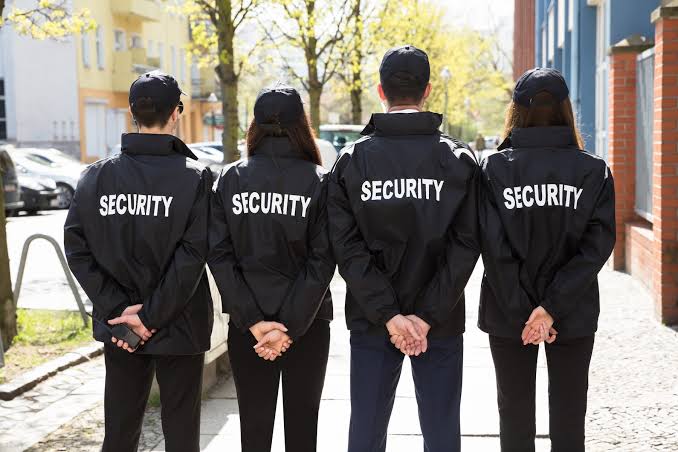
Security Jobs in France for Foreign Workers: Opportunities, Requirements & Tips
Security Jobs in France for Foreign Workers: Opportunities, Requirements & Tips
As France continues to prioritize public safety, the demand for skilled security personnel has grown steadily. For foreign workers seeking employment abroad, security jobs in France can offer a stable income, long-term career potential, and an opportunity to live in one of the world’s most culturally rich nations.
Whether you’re an experienced guard, a tech-savvy cybersecurity enthusiast, or someone with military or law enforcement experience, this guide will help you understand what it takes to land security jobs in France as a foreign worker.
Types of Security Jobs Available in France
France’s security industry spans multiple sectors, with varying roles and responsibilities. Common positions include:
- Private Security Guards: Employed by companies to protect offices, malls, or residential buildings.
- Corporate Security Officers: Often responsible for internal safety protocols, surveillance, and emergency response.
- Event Security Staff: Deployed during concerts, festivals, and sports events.
- Residential Security: Offering private protection for individuals and families, often in luxury neighborhoods.
- Airport Security: Working under strict protocols to ensure air travel safety.
- Cybersecurity Analysts: Protecting digital infrastructures from cyberattacks—ideal for those with a tech background.
- Bodyguards / VIP Protection: High-level security for executives, celebrities, or political figures.
- Military or Police: Typically reserved for those with residency, EU citizenship, or dual nationality.
General Requirements for Foreign Workers
To legally work in the French security sector as a foreigner, you must meet certain baseline requirements:
- Legal Working Status: You need a valid work visa, residency permit, or EU citizenship.
- Basic French Proficiency: Many jobs require at least intermediate French for communication and understanding legal protocols.
- Clean Criminal Record: France runs background checks for all security-related positions.
- CNAPS Authorization: The National Council for Private Security Activities (CNAPS) must authorize you to work in private security.
- Physical and Mental Fitness: Being alert, fit, and composed under pressure is crucial in this field.
Qualifications & Training
While entry-level jobs may not demand advanced education, specialized training is often mandatory:
- APS Training (Agent de Prévention et de Sécurité): This 140-hour course is required for most private security roles.
- CNAPS Certification: Issued after successful completion of APS and background verification.
- First Aid & Emergency Response Training: Often a bonus, and sometimes mandatory for higher-risk roles.
- International Certifications: If you have security certifications like SIA (UK), you may still need French equivalents.
For cybersecurity positions, degrees or certifications in IT security (CompTIA Security+, CEH, etc.) are essential.
Work Visa & Permit Process
Non-EU foreign workers must secure the appropriate visa and work authorization before employment:
- Long-Stay Work Visa (Visa de Long Séjour): Necessary for jobs lasting more than 90 days.
- Work Permit: Usually sponsored by a French employer who proves the job couldn’t be filled locally.
- Application Channels: Apply through the French embassy or consulate in your home country. Job contracts and accommodation details are often required.
Tip: Having an employer ready to sponsor you significantly increases your chances of obtaining a work visa.
READ MORE: Security Jobs in the UK for Foreign Workers: A Complete Guide to Getting Hired
Where to Find Security Jobs in France
Start your job search using the following platforms:
- Job Boards:
- Security Companies Hiring Foreigners:
- Securitas France
- Fiducial Sécurité
- Groupe Seris
- Prosegur France
- Recruitment Agencies: Many agencies specialize in sourcing talent for event security or corporate positions.
- Social Media and Forums:
- Expat Facebook groups
- LinkedIn job alerts
- Reddit threads on moving to France
Salary Expectations
Salary varies depending on location, role, experience, and hours:
Note: Paris and large cities typically offer higher pay, but also come with higher living costs.
Challenges Foreign Workers May Face
- Language Barrier: Not speaking French fluently can limit job opportunities.
- Cultural Adjustment: Understanding French work culture, hierarchy, and etiquette can take time.
- Legal Hurdles: Visa processes and CNAPS authorization can be tedious.
- Discrimination: Some foreigners report bias, especially if they lack local references or documents.
Tips for Success
- Learn the Language: Enroll in French classes or use language apps like Duolingo or Babbel.
- Get Certified in France: APS training and CNAPS authorization are often mandatory.
- Improve Your CV: Highlight relevant experience and include a French-translated version.
- Stay Fit: Many jobs require passing physical tests or medical exams.
- Network: Build relationships with locals and other expats who can guide you through job leads.
Success Stories
Many foreign workers have built thriving careers in France’s security sector. For instance, a Nigerian expat with military experience landed a corporate security job in Lyon after completing APS training and passing CNAPS clearance. Others have transitioned from event security to supervisory roles in a matter of months. These stories show that with persistence and the right steps, success is possible.
Conclusion
Security jobs in France offer foreign workers a real shot at steady employment, especially for those with the right mix of experience, training, and legal clearance.
While the process may seem daunting, preparing in advance—particularly by learning the language and understanding the certification path—can greatly improve your chances.
If you’re serious about working in France’s security industry, start today by researching training programs, brushing up your French, and applying to relevant job openings.
Ready to protect and serve in one of Europe’s most vibrant countries? Your journey begins now.